Forex trading can look complicated when you’re starting out. Charts, currency pairs, leverage, spreads, technical indicators, economic calendars, and different order types can quickly become overwhelming.
Choosing the right platform can make the learning process easier. The best forex trading platform for beginners in 2026 should offer an intuitive interface, educational resources, demo trading, transparent pricing, useful charting tools, and strong regulatory oversight.
Current 2026 broker research highlights eToro, Plus500, and AvaTrade among the strongest beginner-focused options globally, while OANDA, FOREX.com, and other regulated brokers are prominent choices in the U.S. market.
What Is the Best Forex Trading Platform for Beginners in 2026?
There isn’t one platform that is best for every new trader.
For a beginner, however, the platform should make it easy to understand what you’re doing before you risk real money.
Based on current 2026 comparisons, eToro, Plus500, and AvaTrade are among the most beginner-friendly choices globally because of their intuitive interfaces and educational resources. OANDA also stands out for research and accessibility, while FOREX.com provides extensive educational material and trading tools.
For U.S. traders specifically, regulation is particularly important. Retail forex brokers operating legally in the United States must meet the applicable CFTC and NFA requirements. Current 2026 research identifies brokers such as tastyfx, FOREX.com, OANDA, and certain other regulated providers within the U.S. market.
Best Forex Trading Platforms for Beginners in 2026
1. eToro — Best for an Easy Beginner Experience
eToro is frequently recognized for its beginner-friendly trading environment.
Its platform is designed to make financial markets easier to navigate, which can be valuable when you’re learning how currency markets work.
One advantage for beginners is the simplified interface. Instead of immediately confronting a highly technical trading terminal, new users can become familiar with watchlists, charts, positions, and market information in a more approachable environment.
Current 2026 ForexBrokers.com research ranks eToro as one of its leading beginner choices, alongside Plus500 and AvaTrade.
2. OANDA — Best for Research and Flexible Trading
OANDA is one of the most established names in retail forex.
Its current platform ecosystem includes OANDA Trade, mobile trading, MetaTrader 4 and 5 support, and TradingView integration in selected regions. It also provides research through MarketPulse and other market-analysis resources.
Another feature that can matter to beginners is accessibility. Current U.S. comparisons list a $0 minimum deposit and very small trade sizes, although actual trading costs vary by account type and market conditions.
OANDA may be particularly attractive if you want a platform that you can continue using as your experience grows.
3. AvaTrade — Best for Beginner Education
AvaTrade is another platform frequently included among the best forex brokers for beginners.
Education matters because choosing a broker is only one part of becoming a competent trader. A beginner needs to understand leverage, margin, spreads, position sizing, stop-loss orders, and risk management.
AvaTrade is included among the leading beginner-focused brokers in current 2026 comparisons.
Best for: New traders who want educational resources alongside an accessible trading platform.
4. Plus500 — Best for a Simple Interface
Plus500 is also highlighted in current beginner broker comparisons.
Its straightforward interface can appeal to traders who don’t want a platform overloaded with complicated features when they’re first learning.
However, beginners should remember that an easy interface does not make leveraged trading safe. You still need to understand how forex and CFDs work before risking real money.
Best for: Beginners who value simplicity and a clean trading experience.
5. FOREX.com — Best for Education and Trading Tools
FOREX.com is particularly relevant for traders who want a dedicated forex-focused broker with substantial educational resources.
Current comparisons give FOREX.com a strong education ranking and note that it provides beginner videos, advanced educational material, webinars, research, and trading tools.
Its platform also provides charting and analytical functionality suitable for traders who want to progress beyond basic trading.
Best for: Beginners who want extensive education and a platform they can grow into.
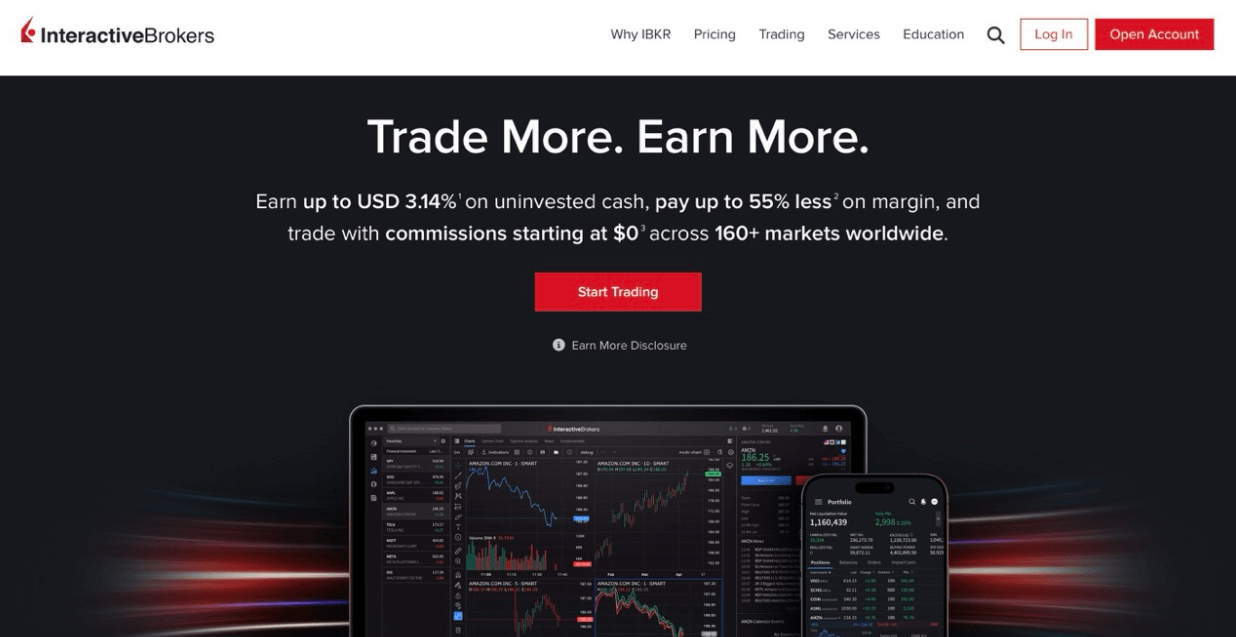
6. Interactive Brokers — Best for Advanced Traders Learning Long-Term
Interactive Brokers is one of the most highly rated multi-asset brokers in current research, but its platform may be more complicated than necessary for a complete beginner.
ForexBrokers.com gives Interactive Brokers a particularly strong overall rating and highlights its competitive pricing, extensive markets, research, and education.
For someone starting with forex, however, the depth of its tools can create a steeper learning curve.
It is therefore better suited to beginners who expect to eventually trade multiple asset classes or want professional-grade tools.
Best for: Serious beginners who want an advanced platform with room to grow.
What Should Beginners Look for in a Forex Trading Platform?
The platform itself is important, but several other factors deserve attention.
Regulation and Safety
Regulation should be one of your first checks.
Before depositing money, verify that the broker is authorized to serve customers in your country.
For U.S. traders, the regulatory environment is particularly strict. Current research recommends checking the broker’s CFTC/NFA status and verifying its registration through the NFA’s BASIC database.
Don’t choose a broker simply because an advertisement promises low spreads or high returns.
Demo Trading Account
A demo account allows beginners to practice trading using simulated funds.
This is one of the most useful features available to a new trader because it allows you to learn how orders, charts, stop losses, take profits, and position sizing work without immediately risking your savings.
Current beginner-focused broker research places significant emphasis on demo accounts when evaluating platforms.
Trading Fees and Spreads
Forex brokers typically make money through spreads, commissions, or a combination of both.
A tight spread can reduce trading costs, but beginners should not automatically select the broker with the smallest advertised spread.
Look at the complete pricing structure, including commissions, overnight financing charges, account fees, and withdrawal costs where applicable.
Ease of Use
A beginner-friendly platform should make basic tasks easy.
You should be able to locate currency pairs, view charts, open and close positions, set risk-management orders, and monitor your account without constantly searching through complicated menus.
Educational Resources
Good educational content can help beginners understand the market before placing live trades.
Look for structured lessons covering currency pairs, pips, leverage, margin, technical analysis, fundamental analysis, risk management, and trading psychology.
Is MetaTrader 4 Good for Beginners?
MetaTrader 4, commonly called MT4, remains one of the most recognized forex trading platforms.
It provides charts, technical indicators, automated trading capabilities, and extensive customization.
However, its large number of features can initially feel complicated.
If your broker supports MT4, consider starting with a demo account and learning only the essential functions first.
OANDA, for example, currently supports MT4 and MT5 in addition to its own trading platform.
Is TradingView Good for Forex Beginners?
TradingView is popular because of its charting capabilities and intuitive visual interface.
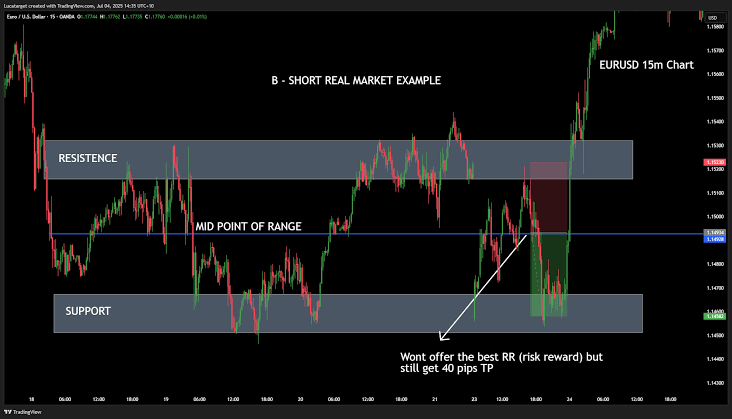
For beginners interested in technical analysis, the platform can be useful for learning how price charts, trendlines, support and resistance, and indicators work.
Some brokers integrate TradingView directly with their trading services. OANDA currently offers TradingView integration in selected regions.
However, beginners should avoid adding dozens of indicators simply because they’re available.
Learning a small number of concepts properly is generally more useful than filling a chart with technical tools.

How Much Money Do You Need to Start Forex Trading?
There is no universal amount required to learn forex.
Some brokers offer low or zero stated minimum deposits, while others require more.
Current comparisons, for example, list OANDA with a $0 minimum deposit in relevant markets.
But the minimum deposit should not determine how much you actually trade.
A beginner should only use money they can afford to lose.
Forex involves leverage, and leverage can magnify both gains and losses.
How to Start Forex Trading as a Beginner
Starting slowly is usually better than immediately placing large trades.
First, learn the fundamentals of currency trading.
Understand what a currency pair represents and how bid and ask prices work.
Then learn about spreads, pips, leverage, margin, stop-loss orders, and position sizing.
Next, open a demo account and practice.
Keep a trading journal and record why you entered each position, where you placed your stop loss, and what happened afterward.
Only consider live trading once you understand the mechanics and have developed a risk-management plan.
Best Forex Trading Platform for Beginners in the USA
U.S. traders need to pay particular attention to regulation because the available retail forex market is more restricted than in many other countries.
Current 2026 research identifies tastyfx, FOREX.com, and OANDA among the prominent U.S. retail forex choices.
OANDA can appeal to beginners because of its accessible account structure and educational/research resources.
FOREX.com is particularly attractive for traders who value education and dedicated forex tools.
tastyfx is another beginner-oriented option in current U.S. comparisons.
Always verify the broker’s current regulatory status before opening an account.
Best Forex Trading Platform for Beginners in Pakistan
For Pakistani residents, broker availability and regulatory status require separate consideration.
Current 2026 broker research lists Interactive Brokers as a leading option for Pakistani residents, highlighting its broad market access, professional platforms, education and competitive pricing.
However, Pakistani traders should verify the current legal, regulatory, funding, and tax implications applicable to their circumstances before depositing money with an overseas broker.
A platform that is available internationally isn’t automatically equivalent to a locally regulated financial service.
Common Forex Trading Mistakes Beginners Should Avoid
One of the biggest mistakes is using excessive leverage.
Leverage can make a small price movement produce a much larger gain or loss relative to the amount of capital committed.
Another mistake is trading without a stop-loss strategy.
Beginners also frequently overtrade, follow random signals, trade based on emotions, or risk too much on one position.
No trading platform can eliminate these risks.
The platform is simply the tool. Your risk-management decisions determine how you use it.
Frequently Asked Questions
What is the best forex trading platform for beginners in 2026?
Current 2026 comparisons identify eToro, Plus500, and AvaTrade among leading beginner-focused platforms, while OANDA and FOREX.com are strong options for traders who prioritize research and education.
Is forex trading good for beginners?
Forex can be learned by beginners, but leveraged trading carries substantial risk. New traders should learn the fundamentals and practice with a demo account before risking real money.
What is the easiest forex platform to use?
Ease of use is subjective, but eToro, Plus500, and OANDA are frequently highlighted for accessible interfaces and beginner-friendly features.
Can I learn forex trading without investing money?
Yes. Demo accounts allow you to practice trading with simulated funds. This can help you learn platform mechanics and develop a trading routine before using real capital.
Is MetaTrader 4 good for beginners?
MT4 can be suitable for beginners, but its advanced features may initially feel overwhelming. Start with basic charting and order-management functions before exploring automated strategies.
How much money should a beginner risk in forex?
There is no universal amount that is appropriate for everyone. Never risk money needed for essential expenses, and understand that leverage can cause losses quickly.
Conclusion
Choosing the best forex trading platform for beginners in 2026 is about much more than finding the broker with the lowest spread.
A strong beginner platform should provide regulation, transparent pricing, a demo account, useful educational material, intuitive charts, reliable execution, and tools that match your experience level.
For global beginners, current research highlights eToro, Plus500, and AvaTrade for their accessible beginner experience. OANDA stands out for research and flexibility, while FOREX.com offers extensive educational resources.
U.S. traders should place particular emphasis on CFTC and NFA regulation, while traders in other countries should verify the broker’s authorization in their own jurisdiction.