Refinancing a mortgage can be one of the most effective ways to reduce your borrowing costs, lower your monthly payment, or change the terms of your home loan. However, getting the lowest mortgage refinance rate is not simply about finding the lender advertising the smallest number.
Your credit score, loan-to-value ratio, income, debt, property value, loan type, loan term and market conditions can all affect the rate you receive.
If you’re wondering how to refinance a mortgage with a low interest rate, the key is to prepare before applying, compare several lenders and calculate whether your potential savings justify the refinancing costs.

What Does It Mean to Refinance a Mortgage?
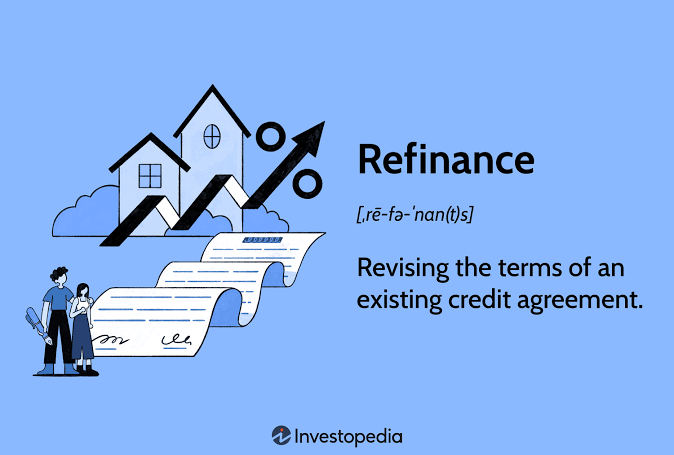
Mortgage refinancing means replacing your existing home loan with a new mortgage.
The new mortgage pays off your current loan, and you then make payments under the new loan’s terms.
Homeowners commonly refinance to obtain a lower interest rate, reduce their monthly payment, shorten the loan term, switch loan types, or access home equity.
For example, a homeowner with a 30-year mortgage may refinance into another 30-year mortgage at a lower rate. Alternatively, they could refinance into a 15-year mortgage to potentially pay off the home sooner.
The right option depends on your financial goals.
When Is the Best Time to Refinance a Mortgage?
There is no universal interest-rate threshold that makes refinancing worthwhile for every homeowner.
A common rule of thumb is to consider refinancing when the new rate is meaningfully lower than your current rate, but closing costs and your remaining loan term also matter.
Suppose your current mortgage rate is 7% and you can obtain a new loan at 6%. That reduction could produce substantial savings.
However, if refinancing costs $8,000 and you only plan to stay in the home for another year, the savings may not justify the upfront expense.
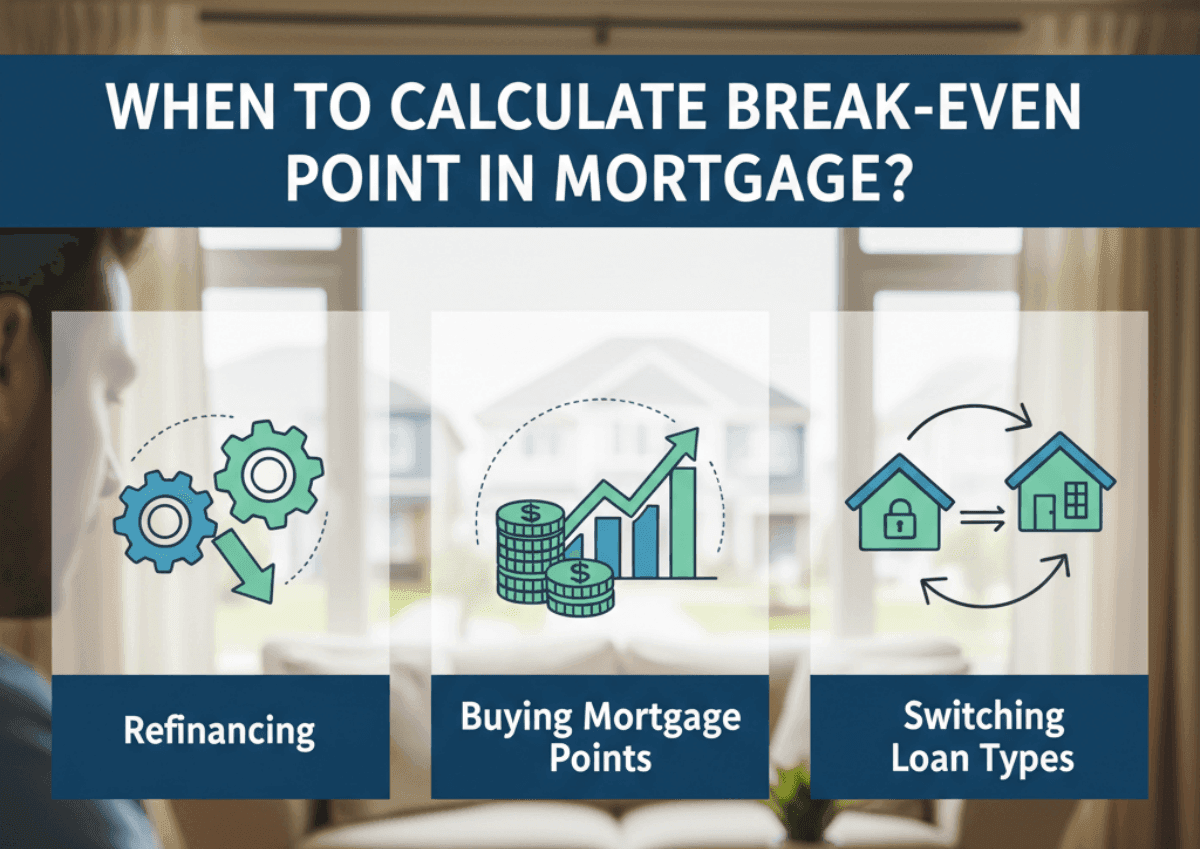
This is why the break-even point is one of the most important calculations when refinancing.
Calculate Your Mortgage Refinance Break-Even Point
Your break-even point tells you approximately how long it takes for your monthly savings to recover the refinancing costs.
For example, suppose refinancing costs $6,000 and your new mortgage saves you $250 per month.
$6,000 ÷ $250 = 24 months.
Your approximate break-even period would therefore be two years.
If you expect to keep the mortgage for significantly longer than two years, refinancing may be worth considering.
If you expect to sell the property before reaching the break-even point, refinancing may not make financial sense.
How to Get the Lowest Mortgage Refinance Rate
Getting a competitive refinance rate starts before you submit your application.
Improve Your Credit Score
Your credit profile can significantly influence the mortgage rate lenders offer.
Before refinancing, review your credit reports and make sure the information is accurate.
Paying bills on time, reducing credit card balances and avoiding unnecessary new credit applications can help strengthen your overall credit profile.
A stronger credit profile may improve your chances of qualifying for more competitive mortgage terms.
Reduce Your Loan-to-Value Ratio
Your loan-to-value ratio, or LTV, compares your mortgage balance with your home’s current value.
For example, if your home is worth $400,000 and your mortgage balance is $280,000, your LTV is 70%.
A lower LTV can make an application more attractive to lenders because you have more equity in the property.
If you’ve built substantial equity since purchasing your home, refinancing could potentially become more attractive.
Compare Multiple Mortgage Lenders
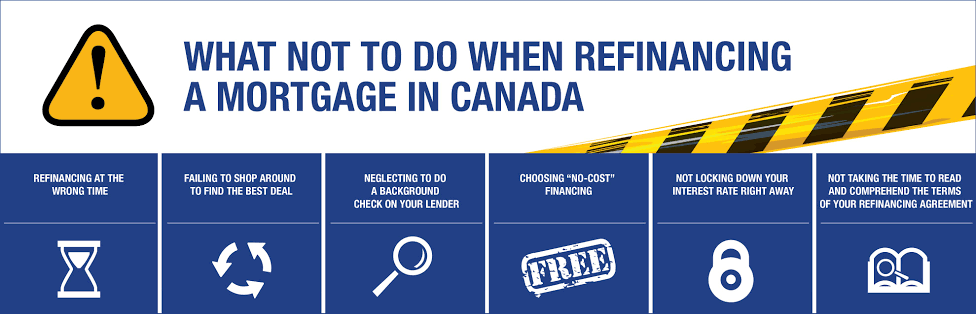
Don’t automatically refinance with your current lender.
Banks, credit unions, mortgage companies and online lenders can offer different rates and fees.
Request quotes from several lenders and compare the APR, interest rate, closing costs and loan terms.
The lowest advertised rate isn’t necessarily the cheapest mortgage.
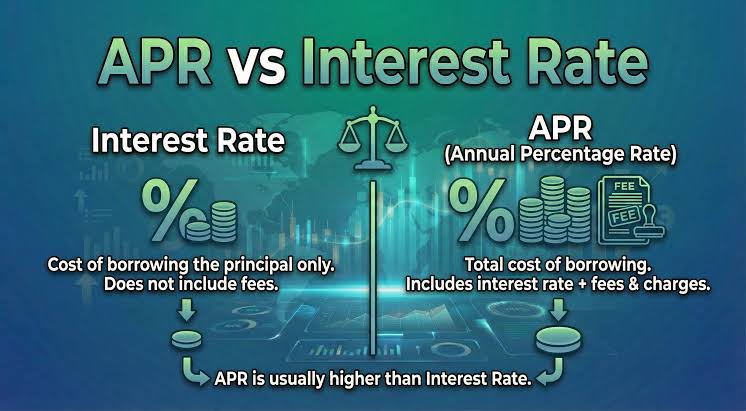
Compare APR Instead of Only the Interest Rate
The interest rate tells you the cost of borrowing, but APR provides a broader representation of borrowing costs and can incorporate certain fees.
Two lenders could advertise similar mortgage rates while charging very different closing costs.
For that reason, compare the complete loan estimate rather than focusing exclusively on the headline rate.
What Credit Score Do You Need to Refinance a Mortgage?
There is no single credit-score requirement for every refinance program.
Requirements depend on the loan type, lender, property, equity position and other factors.
A stronger credit profile generally gives borrowers access to more competitive pricing.
If your credit score has improved since you originally obtained your mortgage, refinancing may be worth investigating even if market rates have not fallen dramatically.
However, don’t assume that a specific score guarantees approval or a particular rate.
What Are Mortgage Refinancing Closing Costs?
Refinancing isn’t free.
Depending on the loan and lender, costs can include appraisal fees, title services, credit-report fees, lender charges, recording fees and other closing expenses.
Some lenders advertise “no-closing-cost” refinancing, but that does not necessarily mean the costs disappear.
Instead, the lender may cover certain upfront costs by charging a higher interest rate or adding costs to the loan balance.
Always ask the lender for a complete breakdown of refinancing expenses.
Should You Refinance From a 30-Year Mortgage to a 15-Year Mortgage?
A shorter mortgage term can help you repay your home faster and potentially reduce total interest.
However, your monthly payment will usually be higher.
For example, refinancing a mortgage into a 15-year term may save significant interest compared with restarting a 30-year mortgage, but the higher payment needs to fit comfortably within your budget.
If your priority is minimizing total interest and building equity quickly, a shorter term may be attractive.
If your priority is maintaining maximum monthly cash flow, another 30-year mortgage may be more appropriate.
Can You Refinance to Lower Your Monthly Payment?
Yes.
A lower interest rate can reduce your monthly principal and interest payment.
However, extending the loan term can also reduce the monthly payment while increasing the amount of interest paid over time.
For example, someone who has already paid ten years of a 30-year mortgage should carefully consider the consequences of restarting another 30-year loan.
A lower monthly payment isn’t necessarily the same as a lower total cost.
Should You Refinance With the Same Lender?
Your existing lender may offer a convenient refinancing process, but you should still compare outside lenders.
Your current lender may have your documents and payment history, potentially making the process easier.
However, another lender could offer a lower rate, reduced fees or better terms.
Get multiple quotes before deciding.
Even if you ultimately stay with your current lender, competing offers can help you understand whether you’re receiving a competitive deal.
How the Mortgage Refinance Process Works
The refinancing process generally follows several steps.
First, determine your financial objective. Decide whether you want a lower payment, shorter loan term, lower interest rate or another loan structure.
Next, check your credit and estimate your home’s current value.
Then request quotes from several lenders.
Once you select a potential lender, submit an application and provide financial documentation.
The lender evaluates your income, assets, debts, credit profile and property.
Depending on the loan, an appraisal may be required.
After underwriting, the lender provides final terms and closing documents.
Once the refinance closes, your old mortgage is paid off and the new mortgage becomes your active loan.
Documents You May Need for Refinancing
Lenders commonly request documentation such as proof of income, tax information, bank statements, identification and details about existing debts.
Self-employed homeowners may need additional documentation.
Preparing these documents before applying can make the process more efficient.
Cash-Out Refinance vs. Rate-and-Term Refinance
There are two major refinancing strategies homeowners often consider.
Rate-and-Term Refinance
A rate-and-term refinance primarily changes the interest rate, loan term or both.
The objective is generally to improve the mortgage structure without taking substantial cash out of the property.
Cash-Out Refinance
A cash-out refinance replaces your existing mortgage with a larger loan and allows you to receive some of the home’s equity as cash.
This can provide funds for major expenses, but it also increases the amount secured by your home.
Cash-out refinancing should therefore be evaluated carefully.
Using home equity to pay for discretionary spending can increase long-term financial risk.
How to Lower Your Mortgage Refinance Costs
You can potentially reduce refinancing expenses by comparing lenders, negotiating certain fees and evaluating whether lender credits make sense.
However, don’t choose a higher interest rate simply to eliminate upfront costs without calculating the long-term impact.
Ask each lender for a detailed estimate showing the interest rate, APR, lender fees, credits and estimated cash required at closing.
This makes comparisons much easier.

Common Mortgage Refinancing Mistakes to Avoid
Refinancing Without Calculating the Break-Even Point
Always compare your expected savings with the total refinancing cost.
Focusing Only on the Monthly Payment
A smaller payment could result from extending your repayment period.
Accepting the First Rate Quote
Shopping around can reveal meaningful differences between lenders.
Ignoring Closing Costs
A lower interest rate may not be beneficial if the upfront costs are excessive.
Resetting the Loan Term Without Considering Total Interest
Starting another 30-year loan after years of payments can extend your repayment timeline.
Taking Cash Out Without a Clear Purpose
Increasing mortgage debt should be approached carefully because the home secures the loan.
Is Refinancing a Mortgage Worth It in 2026?
Refinancing can be worthwhile when the new loan provides meaningful savings after accounting for all costs.
The strongest candidates are often homeowners who have improved their credit, built equity, obtained a substantially better rate, or need to change their loan term.
But refinancing isn’t automatically beneficial simply because rates have moved.
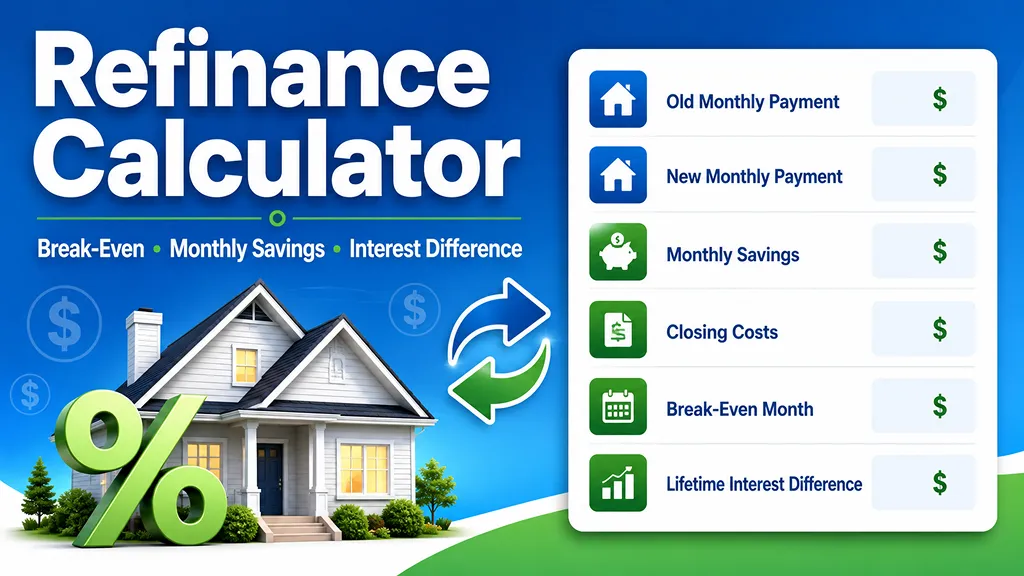
Before applying, compare your current mortgage with the proposed replacement.
Calculate:
Current monthly payment
New monthly payment
Total refinancing costs
Expected monthly savings
Break-even period
Total interest over the remaining loan
These numbers provide a much clearer picture than the advertised interest rate alone.
Frequently Asked Questions
How much lower should my mortgage rate be to refinance?
There is no universal percentage that works for everyone. Compare the expected interest savings against closing costs and calculate your break-even period.
How can I get the lowest refinance mortgage rate?
Improve your credit profile, maintain a strong financial position, build equity and compare offers from multiple lenders.
Does refinancing hurt your credit?
Applying for a mortgage refinance can involve a hard credit inquiry, which may temporarily affect your credit. However, the long-term impact depends on your complete credit profile and payment history.
Is it better to refinance into a 15-year or 30-year mortgage?
A 15-year mortgage can reduce the repayment period and potentially save interest, while a 30-year mortgage generally provides a lower monthly payment. The better choice depends on your financial goals.
Can I refinance with bad credit?
Some refinancing programs and lenders may work with borrowers who have weaker credit, but the available rates and terms may be less favorable.
How long does mortgage refinancing take?
The timeline varies by lender, loan type, documentation and underwriting requirements. Start the process by collecting your financial documents and comparing lenders.
Conclusion
Learning how to refinance a mortgage with a low interest rate starts with understanding that the lowest advertised rate isn’t necessarily the best deal.
Your objective should be to find a refinance that lowers your overall borrowing cost while fitting your long-term financial plans.
Improve your credit where possible, build equity, compare multiple lenders and examine both APR and closing costs. Most importantly, calculate your break-even point before committing.
If the savings are substantial and you expect to keep the home long enough to recover the refinancing costs, refinancing could potentially save you thousands of dollars over the life of the mortgage.
On the other hand, if closing costs are high, the rate reduction is small, or you’re likely to move soon, keeping your existing mortgage may be the better financial decision.