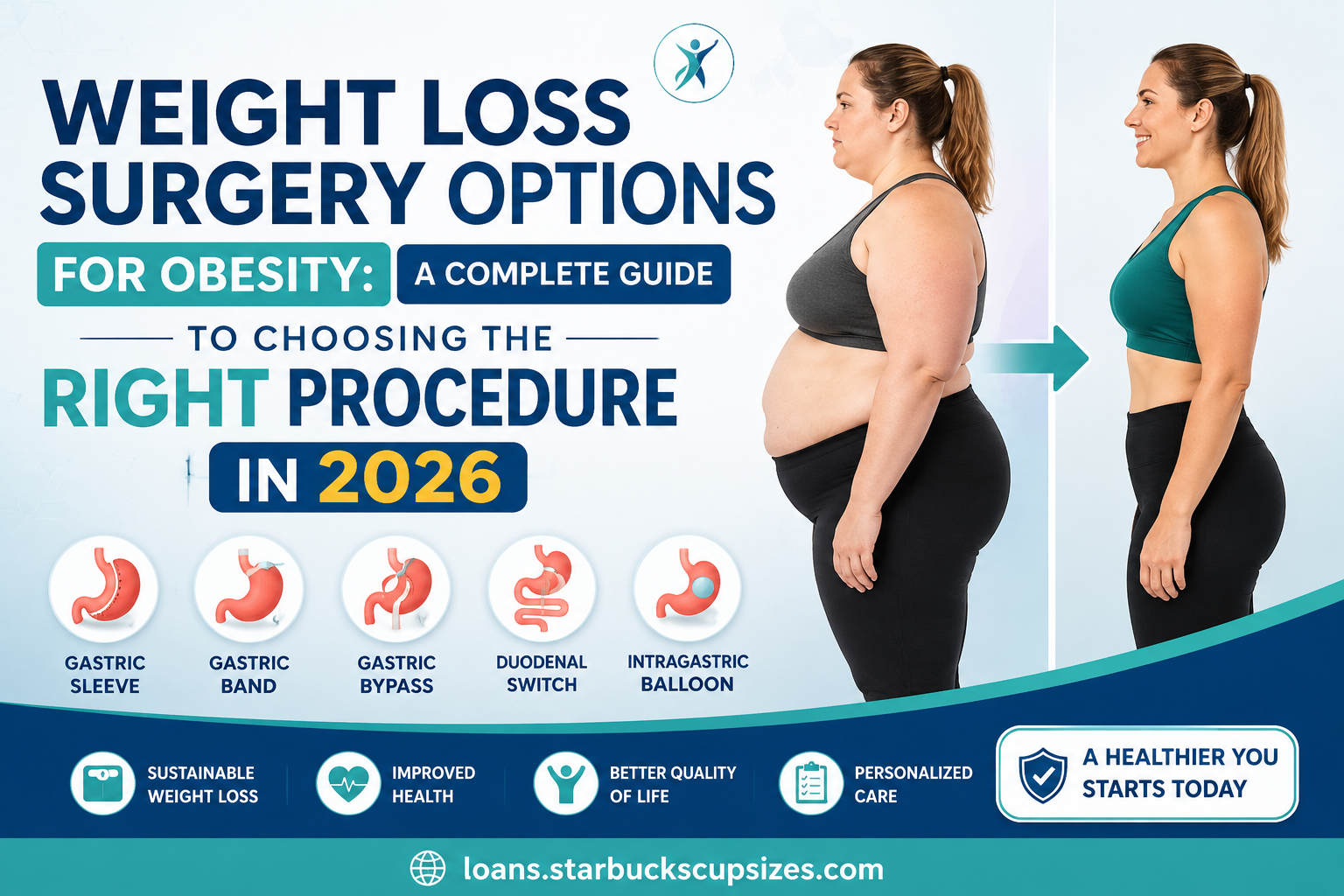
Obesity can affect much more than body weight. It can increase the risk of conditions such as type 2 diabetes, high blood pressure, heart disease, sleep apnea, and other health problems.
For people who have struggled to achieve lasting weight loss through lifestyle changes, weight loss surgery options for obesity may provide another treatment path.
Bariatric surgery isn’t a quick fix or a cosmetic procedure. It is a medical treatment that changes the digestive system and usually requires long-term lifestyle and medical follow-up.
What Is Weight Loss Surgery?
Weight loss surgery, commonly called bariatric surgery, includes procedures designed to help people lose significant amounts of weight and improve obesity-related health conditions.
Some procedures reduce the amount of food the stomach can hold. Others change how food moves through the digestive system and can affect appetite and metabolism.
According to the National Institute of Diabetes and Digestive and Kidney Diseases (NIDDK), bariatric surgery can help people with obesity lose weight and improve several obesity-related health conditions.
The best procedure depends on the individual’s health, goals, medical history, and discussion with a qualified bariatric surgeon.

Who May Qualify for Bariatric Surgery?
Eligibility isn’t determined by weight alone.
Doctors generally consider body mass index (BMI), obesity-related health conditions, previous weight-loss attempts, and overall health when evaluating a patient.
Current guidelines have expanded eligibility for metabolic and bariatric surgery compared with older criteria, so people shouldn’t assume they’re automatically ineligible based on outdated information.
A bariatric specialist can evaluate your medical history and determine whether surgery is appropriate.

Gastric Sleeve Surgery
Sleeve gastrectomy is one of the most commonly performed bariatric procedures.
During the procedure, a surgeon removes a large portion of the stomach, leaving a smaller, sleeve-shaped stomach.
The smaller stomach can help patients feel full after eating less food. The procedure also produces hormonal changes that can affect appetite and metabolism.
Gastric sleeve surgery does not reroute the intestines, which makes it different from gastric bypass.
However, it is permanent because the removed portion of the stomach cannot be restored.
Gastric Bypass Surgery
Roux-en-Y gastric bypass is another established bariatric surgery option.
During gastric bypass, the surgeon creates a smaller stomach pouch and connects it to part of the small intestine. This changes the path food takes through the digestive system.
The procedure can produce substantial weight loss and may improve conditions such as type 2 diabetes.
Because gastric bypass changes digestion and nutrient absorption, patients need ongoing nutritional monitoring and vitamin supplementation as recommended by their healthcare team.
Adjustable Gastric Band
Adjustable gastric band surgery involves placing a band around the upper portion of the stomach.
The band creates a smaller stomach pouch, which can help control food intake.
Unlike sleeve gastrectomy and gastric bypass, the band does not remove part of the stomach or reroute the intestines.
However, gastric banding has become less common because other bariatric procedures generally offer greater and more consistent weight-loss outcomes.
Biliopancreatic Diversion With Duodenal Switch
The biliopancreatic diversion with duodenal switch, or BPD/DS, is a more complex bariatric procedure.
It combines a sleeve-style stomach reduction with intestinal rerouting that significantly changes nutrient absorption.
It can produce substantial weight loss and may be considered for people with severe obesity or certain metabolic conditions.
Because it is more complex and can affect nutrient absorption significantly, careful long-term medical and nutritional monitoring is essential.
How Do Bariatric Procedures Compare?
Each surgery has different benefits, risks, and lifestyle considerations.
Gastric sleeve reduces stomach size without intestinal rerouting and is widely used.
Gastric bypass combines stomach restriction with changes to digestion and nutrient absorption.
Gastric banding is adjustable and reversible but is now used less frequently.
Duodenal switch can produce substantial weight loss but requires careful nutritional management.
There isn’t one procedure that is best for everyone.
Benefits of Weight Loss Surgery
One of the major advantages of bariatric surgery is significant and sustained weight loss for many patients.
Weight loss can also improve obesity-related conditions. Depending on the procedure and individual circumstances, patients may experience improvements in type 2 diabetes, high blood pressure, sleep apnea, and mobility.
The benefits can extend beyond the number on the scale.
Improved physical health can also make everyday activities easier and improve overall quality of life.
Risks and Possible Complications
Like every major surgery, bariatric procedures have potential risks.
Possible complications can include bleeding, infection, blood clots, digestive problems, nutritional deficiencies, and complications related to anesthesia.
Some procedures also have specific long-term risks.
For example, gastric bypass can cause nutritional deficiencies and other digestive complications, while sleeve gastrectomy may worsen or contribute to acid reflux in some patients.
Your surgeon should explain both short-term and long-term risks before you make a decision.
Weight Loss Surgery and Diabetes
Bariatric surgery can have significant effects on metabolic health.
For some people with obesity and type 2 diabetes, surgery may improve blood sugar control and reduce the need for certain medications.
This is one reason bariatric procedures are sometimes referred to as metabolic surgery.
However, surgery isn’t a guaranteed cure for diabetes, and long-term medical monitoring remains important.

How Much Does Bariatric Surgery Cost?
The cost of weight loss surgery in the United States can vary significantly.
Factors may include the procedure, surgeon, hospital, geographic location, preoperative testing, anesthesia, follow-up care, and nutritional support.
When comparing bariatric surgery cost, don’t focus only on the surgeon’s advertised price.
Ask whether the quoted price includes consultations, laboratory testing, hospital fees, anesthesia, follow-up appointments, nutritional counseling, and potential complications.
Does Insurance Cover Weight Loss Surgery?
Some U.S. health insurance plans cover bariatric surgery when specific medical criteria are met.
Coverage can vary by employer plan, insurance company, state, procedure, and medical requirements.
Before scheduling surgery, contact your insurer and ask whether bariatric surgery is covered.
You may also need documentation showing previous weight-loss attempts, nutritional counseling, medical conditions, or participation in a supervised weight-management program.
How to Choose a Bariatric Surgeon
Choosing the surgeon is just as important as choosing the procedure.
Look for a qualified surgeon with substantial bariatric experience and access to a multidisciplinary treatment team.
Ask about the surgeon’s experience with the specific procedure you’re considering.
You should also ask about hospital accreditation, complication rates, follow-up care, nutrition support, and what happens if complications occur.
A strong bariatric program doesn’t simply perform surgery. It provides support before and after the procedure.
Preparing for Weight Loss Surgery
Preparation often begins weeks or months before surgery.
Your healthcare team may recommend nutritional changes, physical activity, medical testing, psychological evaluation, and other preparation.
You may also meet with a dietitian to learn how eating habits will change after surgery.
Following the preoperative plan can help you understand the lifestyle changes required for long-term success.
Life After Bariatric Surgery
Surgery changes the digestive system, but long-term results depend heavily on what happens afterward.
Patients typically need to follow a structured diet progression after surgery.
Over time, the diet generally moves from liquids to soft foods and eventually to regular foods, according to the surgeon and dietitian’s instructions.
Vitamin and mineral supplementation may also be necessary, particularly after procedures that affect nutrient absorption.
Regular follow-up appointments help monitor weight, nutrition, and overall health.
Weight Loss Surgery vs. Weight Loss Medication
Bariatric surgery isn’t the only medical option for treating obesity.
Prescription weight-management medications have become increasingly important in obesity treatment.
For some patients, medication combined with nutrition, physical activity, and behavioral support may provide meaningful weight loss without surgery.
For others, surgery may provide greater long-term weight reduction or better improvement in certain obesity-related conditions.
A physician can help compare the benefits and risks of each approach based on individual circumstances.
How to Choose the Right Weight Loss Surgery
Don’t choose a procedure simply because someone else had good results.
Your medical history matters.
A surgeon may consider your BMI, diabetes status, acid reflux, previous abdominal surgery, eating patterns, medications, and other health conditions.
Ask your surgeon:
Which procedure is appropriate for me?
What amount of weight loss can reasonably be expected?
What are the short-term and long-term risks?
Will I need vitamin supplements?
What follow-up care will I receive?
These questions can help you make a more informed decision.
Frequently Asked Questions
What is the best weight loss surgery for obesity?
There isn’t one procedure that is best for everyone. Sleeve gastrectomy, gastric bypass, gastric banding, and duodenal switch have different benefits and risks. A qualified bariatric surgeon should recommend an option based on your health and goals.
Is gastric sleeve better than gastric bypass?
Neither is universally better. Gastric sleeve is simpler and doesn’t reroute the intestines, while gastric bypass can provide substantial weight loss and metabolic benefits. Your medical history should guide the decision.
How much does weight loss surgery cost in the USA?
Costs vary considerably based on the procedure, surgeon, hospital, location, insurance, and included services. Request a complete estimate before scheduling surgery.
Does insurance pay for bariatric surgery?
Some insurance plans cover bariatric surgery when specific medical criteria are met. Always verify coverage and authorization requirements directly with your insurer.
How long does it take to recover from bariatric surgery?
Recovery varies depending on the procedure and individual health. Your surgeon will provide specific instructions regarding returning to work, exercise, diet, and normal activities.
Can weight come back after bariatric surgery?
Weight regain can occur after bariatric surgery. Long-term nutrition, physical activity, behavioral changes, and medical follow-up can help support sustainable results.
Conclusion
Understanding weight loss surgery options for obesity is the first step toward making an informed medical decision.
Gastric sleeve, gastric bypass, adjustable gastric band, and duodenal switch all have different mechanisms, benefits, risks, and lifestyle requirements.
The right choice depends on your medical history, obesity-related health conditions, weight-loss goals, and ability to follow long-term nutritional and medical recommendations.
If you’re considering bariatric surgery in the USA, speak with a qualified bariatric surgeon and verify your insurance coverage before making a decision.
Surgery can be a powerful tool for treating obesity, but long-term success comes from combining the procedure with ongoing medical care, nutrition, physical activity, and sustainable lifestyle changes.