For a small business owner, calculating wages, withholding taxes, preparing payroll reports, and paying employees can quickly become complicated. One mistake can also create unnecessary costs and compliance problems.
The good news is that modern payroll software makes the process much easier.
The right affordable payroll software for small business can automate payroll calculations, tax payments, direct deposits, employee records, and reporting without requiring a large HR department.
Why Small Businesses Need Affordable Payroll Software
Small businesses often operate with limited budgets and fewer employees.
That makes expensive enterprise payroll systems difficult to justify.
Affordable payroll software provides a practical alternative. Instead of manually calculating every paycheck, business owners can automate repetitive payroll tasks and spend more time growing the company.
For many U.S. businesses, payroll software can also help manage federal and state payroll tax requirements.
What Should Affordable Payroll Software Include?
Price is important, but it shouldn’t be the only consideration.
A good small business payroll platform should provide essential features such as automatic payroll calculations, direct deposit, employee self-service, tax calculations, payroll reports, and year-end tax forms.
Some platforms also include benefits administration, time tracking, HR management, and employee onboarding.
The best choice depends on how much of your payroll process you want to automate.
Best Affordable Payroll Software for Small Business
Gusto — Best Overall for Small Businesses
Gusto is a popular payroll and HR platform designed with small businesses in mind.
It offers payroll processing, direct deposit, employee benefits, hiring tools, and other HR features.
Its user-friendly interface makes it attractive to business owners who don’t have dedicated payroll specialists.
Gusto can be particularly useful for startups and growing companies that want payroll and basic HR functionality in one place.
Best for: Small businesses looking for easy payroll and HR management.
QuickBooks Payroll — Best for QuickBooks Users
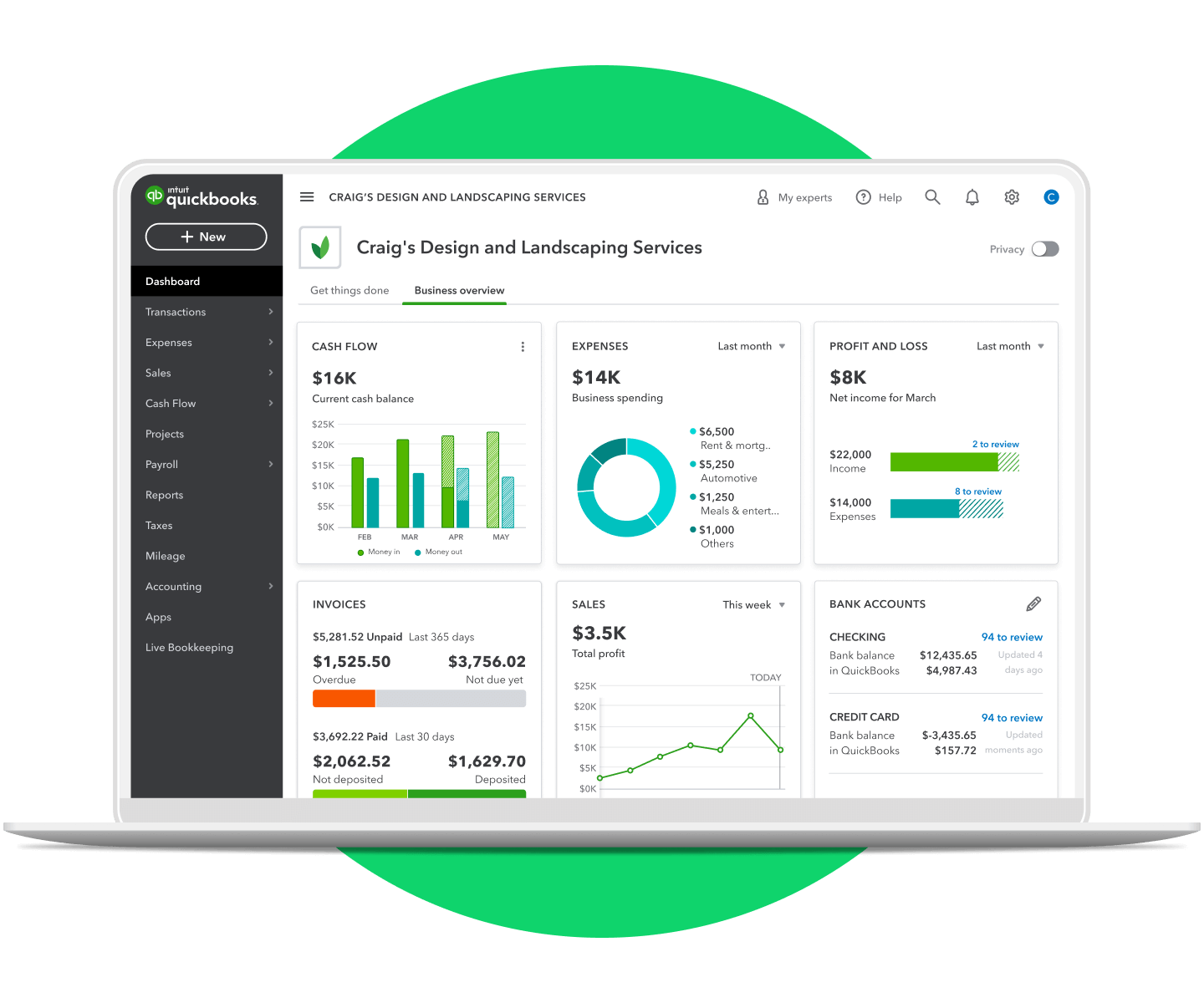
QuickBooks Payroll can be a convenient option for businesses already using QuickBooks for accounting.
Payroll information can work alongside accounting workflows, reducing the need to move financial information between separate systems.
It offers features such as payroll processing, direct deposit, and tax-related services depending on the selected plan.
Best for: Small businesses already using QuickBooks accounting software.
Patriot Payroll — Best Low-Cost Payroll Option
Patriot Payroll focuses on providing payroll functionality at a relatively affordable price point.
It can be attractive to small businesses that want essential payroll tools without paying for a large HR platform.
Depending on the plan and services selected, businesses can access features for payroll processing and tax filing.
Best for: Budget-conscious small businesses.
OnPay — Best for Growing Businesses
OnPay combines payroll with HR and benefits-related features.
Its platform can work well for small businesses that expect their payroll requirements to become more sophisticated as they grow.
It supports payroll processing and can handle different types of workers and businesses.
Best for: Growing businesses that need more than basic payroll.
How Much Does Payroll Software Cost for a Small Business?
Payroll pricing varies depending on the provider, number of employees, payroll frequency, and additional services.
Some providers charge a monthly base fee plus a per-employee cost.
Others offer different packages depending on whether you want the provider to handle payroll taxes and filings.
When comparing cheap payroll software for small business, calculate the total annual cost rather than focusing only on the advertised monthly price.
A cheaper plan may become more expensive after adding tax filing, additional employees, HR features, or other services.
Payroll Software With Automatic Tax Filing
Payroll taxes are one of the biggest reasons small businesses consider payroll software.
Manually calculating and submitting payroll taxes can take significant time.
Some payroll platforms can calculate applicable taxes and submit certain filings or payments on behalf of the employer, depending on the plan and location.
This can reduce administrative work and help businesses stay organized.
However, business owners should still review payroll records and understand their tax responsibilities.
Payroll Software With Direct Deposit
Direct deposit is another important feature for modern businesses.
Instead of printing checks, employers can send employee wages electronically.
This saves administrative time and provides employees with a convenient way to receive their pay.
Before choosing a provider, check processing times and any additional fees associated with direct deposit.
Affordable Payroll Software for Small Business With Employee Self-Service
Employee self-service can make payroll administration even easier.
Employees can often access pay stubs, tax documents, personal information, and other payroll details through an online portal.
This means employees don’t have to contact the business owner every time they need a copy of a pay statement.
For small companies, these small time savings can add up quickly.
Payroll Software for Small Businesses With Contractors
Many small businesses work with independent contractors in addition to employees.
If your company hires contractors, check whether the payroll platform supports contractor payments and relevant year-end tax forms.
Don’t assume every payroll provider handles employees and contractors in exactly the same way.
Your business structure and worker classification should be considered when selecting payroll software.
How to Choose Affordable Payroll Software
Start by calculating how many employees and contractors you have.
Then determine how frequently you run payroll.
Next, identify whether you need tax filing, direct deposit, time tracking, benefits, HR tools, or accounting integration.
Finally, compare the total cost.
A small business with five employees may have completely different needs from a company with 50 employees.
Choosing software based on actual requirements can prevent you from paying for unnecessary features.
Affordable Payroll Software vs. Hiring a Payroll Service
Traditional payroll services can handle many payroll responsibilities for you.
However, they may cost more and can sometimes involve additional communication between your business and the payroll provider.
Payroll software gives business owners more direct control.
You can run payroll, access reports, review employee information, and manage the process from an online dashboard.
For a small business owner who wants automation without outsourcing everything, payroll software can provide a useful middle ground.
Common Payroll Mistakes Small Businesses Should Avoid
Choosing payroll software based only on price is one common mistake.
Another is ignoring state-specific requirements.
U.S. payroll rules can vary between states and local jurisdictions, so businesses should verify that their selected provider supports the locations where they employ workers.
Businesses should also keep payroll records organized and review payroll before submitting it.
Automation reduces errors, but it doesn’t eliminate the need for oversight.
Benefits of Using Affordable Payroll Software
The biggest benefit is time savings.
Instead of manually calculating every employee’s paycheck, software can automate many repetitive processes.
It can also improve consistency.
Payroll information can be stored in one system rather than scattered across spreadsheets and documents.
Another benefit is accessibility.
Cloud-based payroll software allows business owners to manage payroll from a computer or mobile device, depending on the provider.
This is particularly useful for businesses with remote employees.
Frequently Asked Questions
What is the most affordable payroll software for small businesses?
Patriot Payroll is often considered a budget-friendly option, while Gusto, QuickBooks Payroll, and OnPay offer different combinations of payroll, tax, HR, and accounting features.
What is the best payroll software for a small business?
There isn’t one solution for every company. Gusto is popular for simple payroll and HR, QuickBooks Payroll works well with QuickBooks users, Patriot focuses on affordability, and OnPay can be useful for growing businesses.
Is payroll software cheaper than hiring an accountant?
It can be, particularly for small businesses with straightforward payroll needs. However, the total cost depends on employee count, payroll complexity, tax requirements, and the level of professional assistance required.
Does payroll software automatically pay payroll taxes?
Some providers offer automated tax calculation, filing, and payment services. Features vary by provider and plan, so confirm exactly what is included before purchasing.
Can small businesses use payroll software for contractors?
Many payroll platforms support contractors, but available features and tax-form support vary. Check the provider’s current contractor functionality before signing up.
Is cloud payroll software secure?
Reputable payroll providers use security measures to protect sensitive employee and financial information. Businesses should still use strong passwords, multi-factor authentication, access controls, and secure devices.
Conclusion
Finding affordable payroll software for small business doesn’t mean choosing the cheapest platform available.
The smarter approach is to find software that provides the features your business actually needs at a predictable total cost.
Gusto is a strong option for businesses wanting simple payroll and HR tools. QuickBooks Payroll can be convenient for existing QuickBooks users. Patriot Payroll is worth considering for budget-conscious businesses, while OnPay can work well for growing companies.
Before choosing a provider, compare payroll pricing, employee fees, tax filing, direct deposit, contractor support, integrations, customer service, and HR features.
The right payroll software can turn a complicated administrative task into a streamlined process—giving small business owners more time to focus on customers, revenue, and growth.